
 Get a demoYour people are already moving. What if every step fuelled change?
 Marcus Perezi-Tormos3 min read
COP31 starts Monday. We're not waiting.
COP31 opens in Antalya on 9 November. Here is what is at stake for the climate, and why we are moving now instead of waiting for the negotiators.
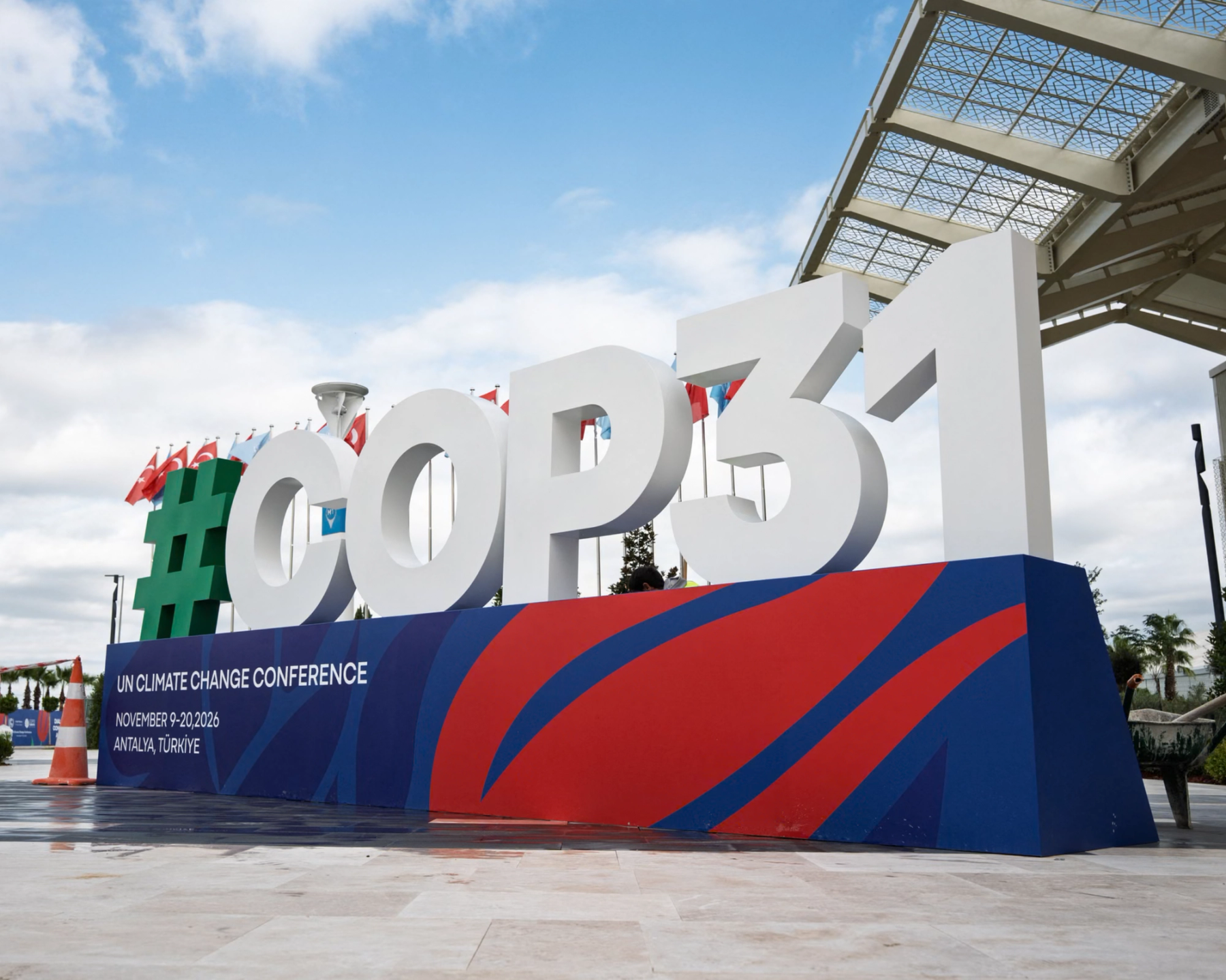
On Monday, delegates from more than 190 countries arrive in Antalya, Türkiye, for COP31, the UN climate summit running from 9 to 20 November. For two weeks, the world's attention turns to negotiating rooms, draft texts and late-night compromises.
We will be watching. But we will not be sitting still.
Why this summit matters more than most
The numbers going into Antalya are stark. In September, the global average surface temperature was 1.63°C above pre-industrial levels, according to the Copernicus Climate Change Service. It was the second month in a row above 1.5°C, with a strong El Niño still building.
Two weeks ago, the UN Environment Programme published its Emissions Gap Report 2026, titled "The Point of Return". Its message is blunt: the chance to keep warming below 1.5°C with no overshoot is gone. Under current policies, the world is heading for up to 2.8°C this century. Even if every national climate plan is delivered, warming would still reach around 2.6°C.
That sounds like bad news, and it is. But read on, because the same report says something just as important.
Overshoot is not surrender
UNEP's "lowest possible overshoot" scenario limits peak warming to 1.7 to 1.8°C around mid-century, then brings temperatures back to 1.5°C by 2100. To get there, global emissions need to fall 18% by 2030 and 45% by 2035, compared with 2025 levels.
"Overshoot is not surrender." António Guterres, UN Secretary-General
Hard? Yes. Impossible? No. The tools already exist. In 2025, one in four new cars sold worldwide was electric, up from fewer than one in 100 a decade ago. The world added more than 600 gigawatts of solar capacity in a single year, and 108 GW of battery storage. Change is not theoretical. It is happening, and it is speeding up.
At COP31, governments will negotiate climate finance, the just transition, adaptation and stronger emission cuts. They will also launch the second global stocktake, the Paris Agreement's check-up on how far we have come. These talks matter. Every fraction of a degree matters. But no summit, on its own, will solve this in two weeks.
Nature can't wait for the final text
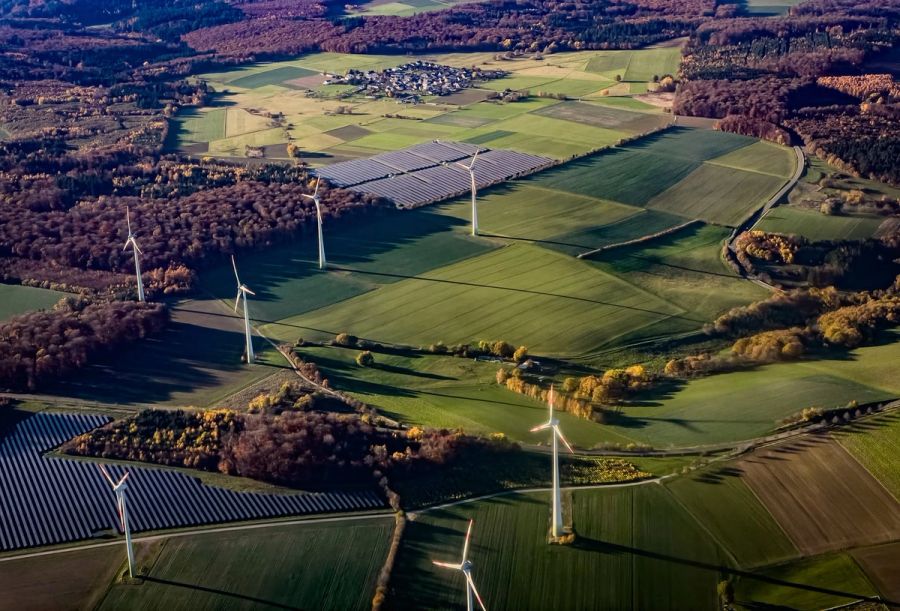
While negotiators debate wording, ecosystems keep absorbing the pressure. WWF's Living Planet Report found that monitored wildlife populations have fallen by an average of 73% since 1970, driven by habitat loss, overexploitation and climate change.
That is why this month we are putting WWF in the spotlight. WWF works across the globe to protect forests, oceans, rivers and the species that depend on them, and to push governments for ambitious climate and nature commitments, including at COPs. Healthy ecosystems are one of our best defences against a warming planet. Protecting them can't wait for the closing ceremony.
While they talk, we move
Here is where we come in. Climate action is not only something that happens in conference halls. It is also what millions of us do, every day, together.
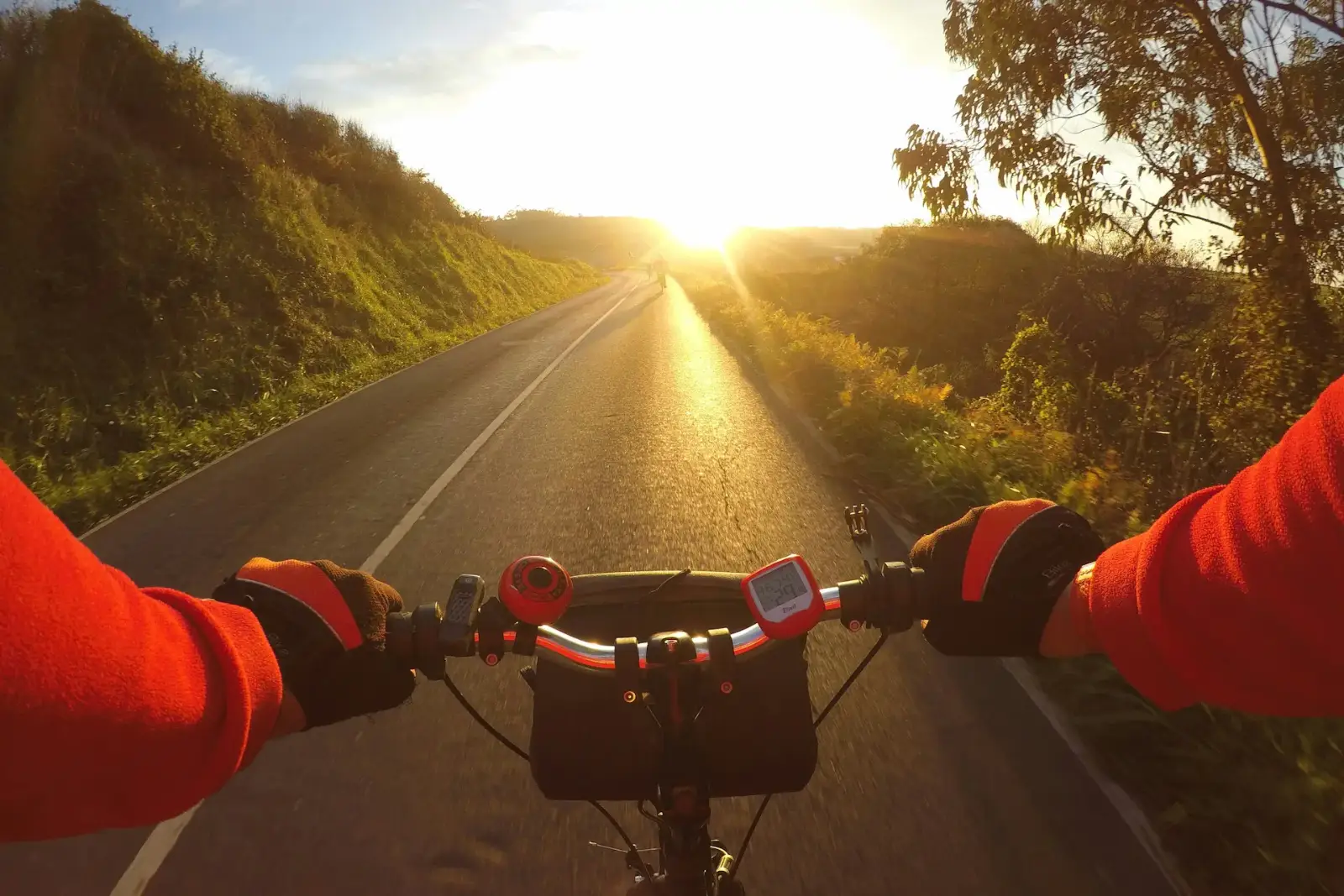
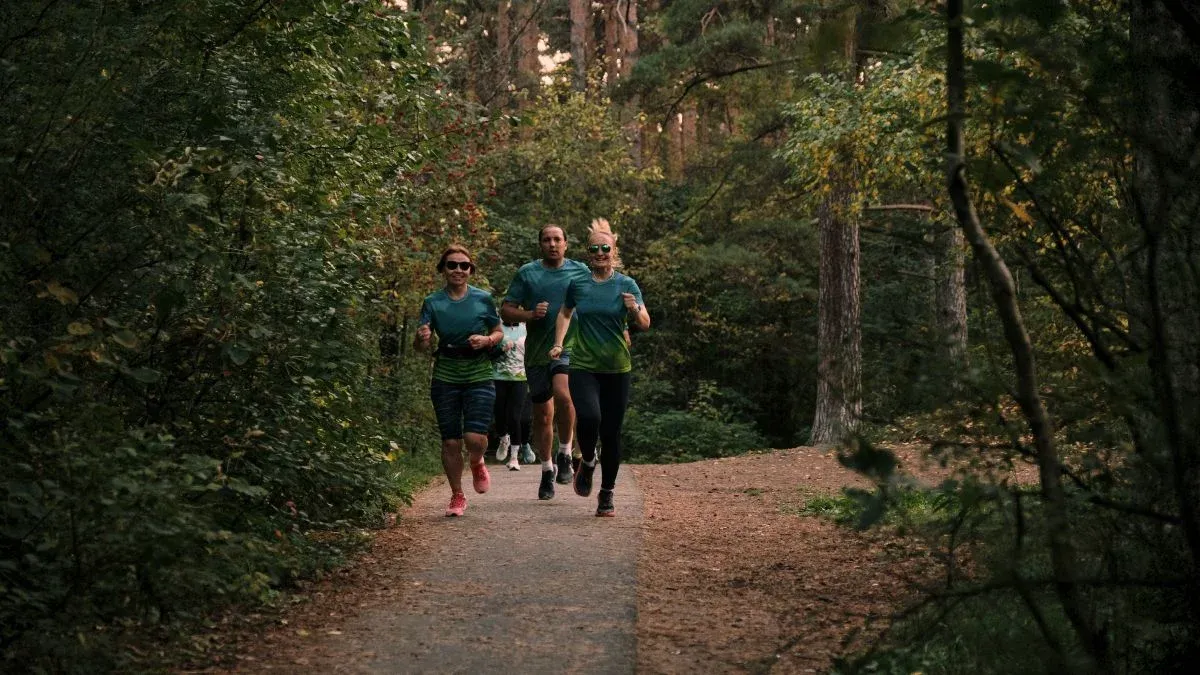
At uBurn, every calorie you burn becomes a micro-donation to the climate and environmental organisations you choose. Your morning run, your bike commute, your Sunday hike: they all add up to real funding for real work on the ground.
So for the next two weeks, let's make a statement of our own. Every kilometre we log during COP31 is a vote for action. Not a petition that gets filed away, but effort that turns directly into support for WWF and the other causes we back.
The delegates have their agenda. We have ours: get outside, move together and show that people are ready, even if politics is slow.
Ready? Open uBurn, sync your Strava or Garmin, choose WWF as your cause, and get moving. Every step during COP31 counts. Burn calories, not the planet.