
 Get a demoYour people are already moving. What if every step fuelled change?
 Sophie de Grand Ry3 min read
Renewables just overtook coal. Here's what that means.
For the first time, renewables made more of the world's electricity than coal. What it means for COP31, and how your next workout can push it further.
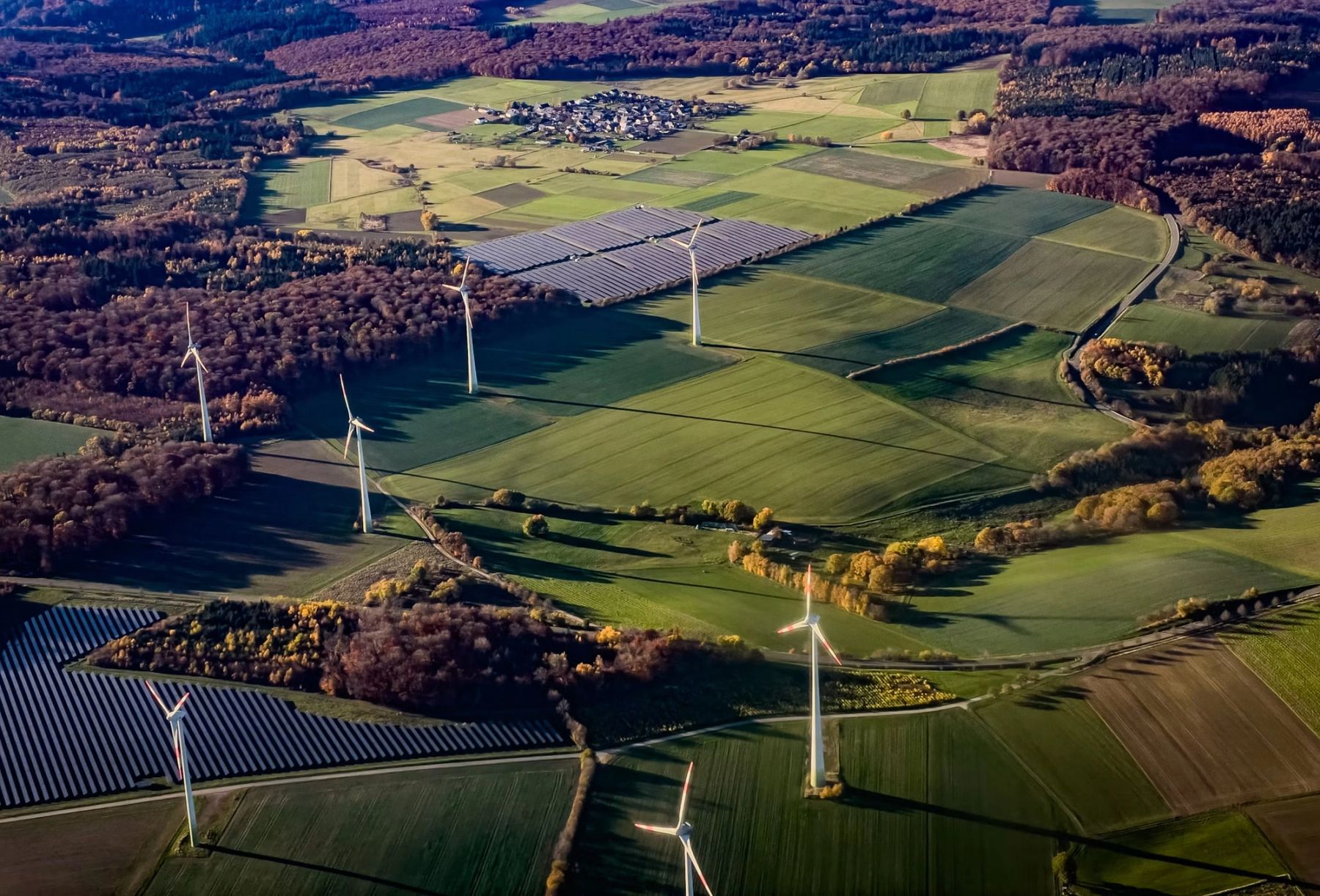
For as long as most of us have been alive, coal has been the single biggest source of the world's electricity. Not anymore. In 2025, renewables generated 33.8% of global power, edging past coal at 33.0%. It is a first in history, and it lands right as world leaders gather in Antalya for COP31. Let's take a moment to celebrate it, then let's get moving.
A milestone years in the making
The numbers come from Ember's Global Electricity Review 2026, one of the most closely watched datasets on the power sector. The headline is simple: clean energy is no longer the underdog.
Solar led the charge, with generation up 30% in a single year. Low-carbon power grew by 887 TWh in 2025, more than the 849 TWh of new electricity demand. In plain words, clean sources covered all the extra electricity the world needed, and fossil generation dipped slightly, by 0.2%.
Even more telling: China and India, historically the biggest drivers of rising fossil power, both burned less of it. China's fossil generation fell 0.9%, its first decline since 2015. India's dropped 3.3%.
None of this happened overnight. It came from years of steady investment, falling costs and millions of people pushing for change. Sound familiar?
Progress works like fitness
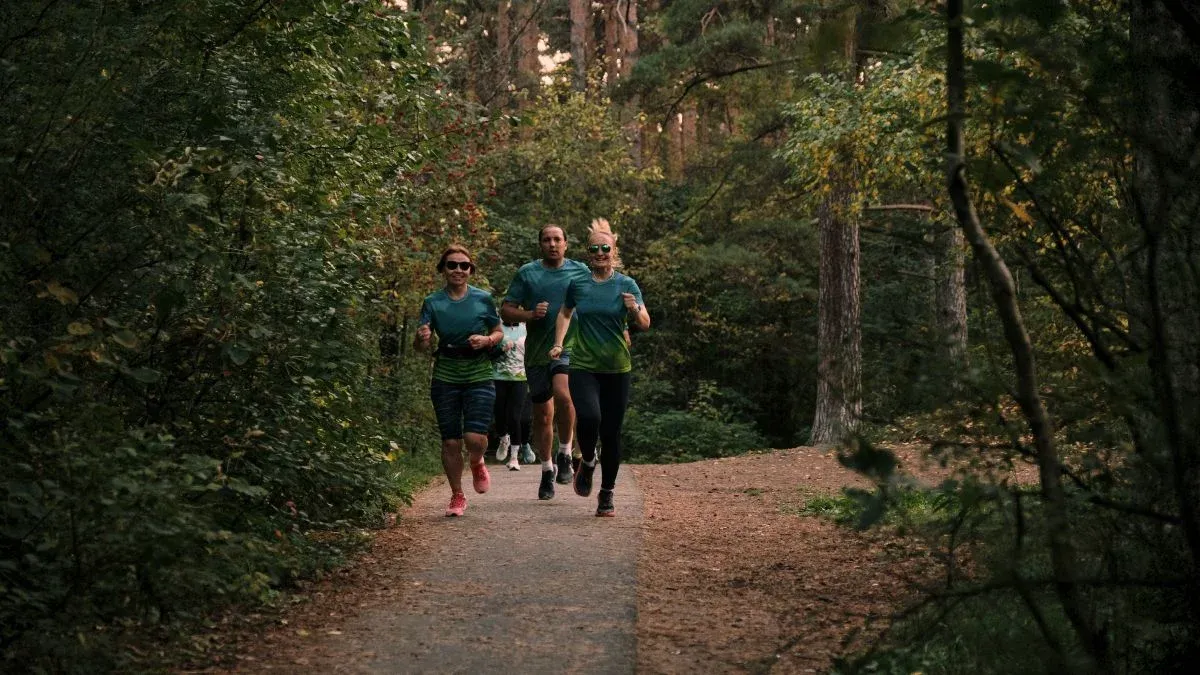
Anyone who has trained for a 10K or a first triathlon knows the pattern. The first weeks feel like nothing is happening. You show up anyway. Then one morning the hill that used to break you feels easy.
The energy transition follows the same curve. Small, consistent efforts compound. Every solar panel, every wind turbine, every policy win is a training session. For years the results looked tiny on the chart. Now the line has crossed.
That is the message we want to carry this week: consistency beats intensity. One heroic gesture does not change the system. Thousands of ordinary efforts, repeated week after week, do.
It is also why hope matters. Hope is not a distraction from the climate crisis. It is the fuel that gets us out the door on cold, dark November mornings, when staying in bed would be so much easier. Good news like this is a reason to train harder, not to rest.
What COP31 needs to do next
Overtaking coal is a milestone, not a finish line. Coal still generates a third of the world's electricity, and fossil fuels as a whole are far from gone.
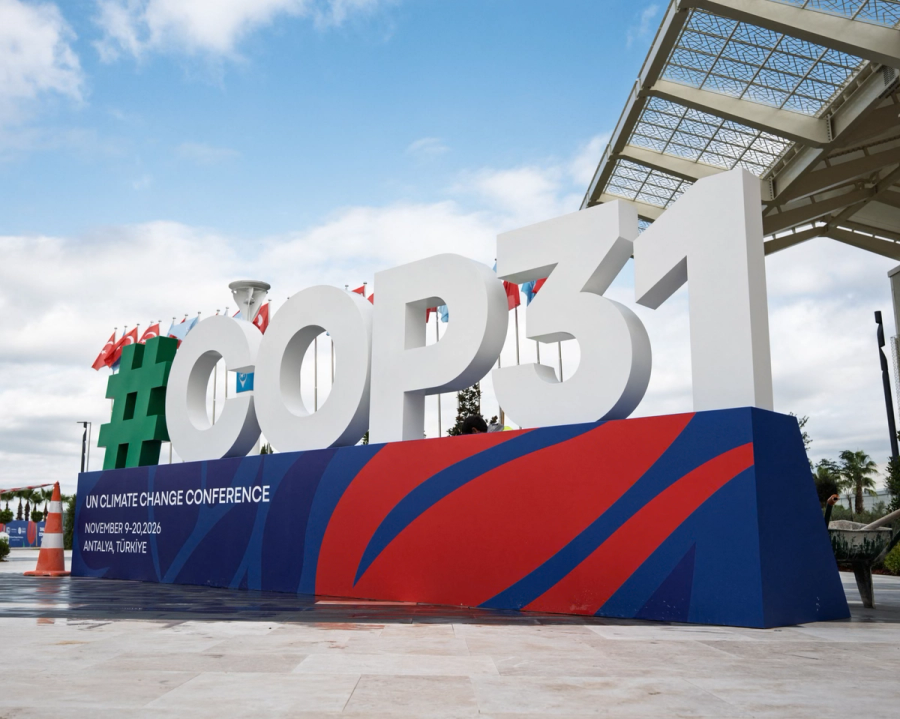
COP31 runs from 9 to 20 November, with leaders meeting on 11 and 12 November. On the table: a roadmap for transitioning away from fossil fuels and a new goal, launched on Energy Day (10 November), to raise electricity's share of global energy use to 35% by 2035. In 2023, countries also committed to tripling renewable energy capacity by 2030.
The direction is clear. The pace is the question. Records like this one show that the tools work. What they need now is momentum, from governments, companies and from all of us.
Our calories, their momentum
This week we are featuring GoodPlanet Belgium. For nearly 30 years, GoodPlanet has helped people make sustainability second nature. Its 100 staff and dozens of volunteers reach more than 500,000 children, young people and adults every year, through climate workshops in schools, zero waste projects and mini forests planted with pupils.
That is the same idea behind uBurn: small actions, repeated, until they change everything. When you run, ride, swim or walk with uBurn, the calories you burn become micro-donations for the causes you choose. Like solar, it starts small. Like solar, it adds up.
So here is our challenge for COP31 week: get outside, log an extra session, and send that energy where it counts.
Ready? Download uBurn, sync your Strava or Garmin, choose GoodPlanet and turn your next workout into real support for a cleaner, fairer planet. Burn calories, not the planet.